
The concept of gardening has evolved dramatically over the past decade. Modern landscapes are no longer designed solely for visual appeal; they are becoming powerful ecological assets that support biodiversity, improve air quality, and combat the effects of climate change. According to recent environmental studies, urban green spaces can reduce local temperatures by up to 5°C during extreme heat events, making sustainable gardens increasingly important in both rural and urban environments. Today’s homeowners, landscape architects, and environmentalists are embracing a philosophy that values long-term ecological health over short-lived aesthetic trends.
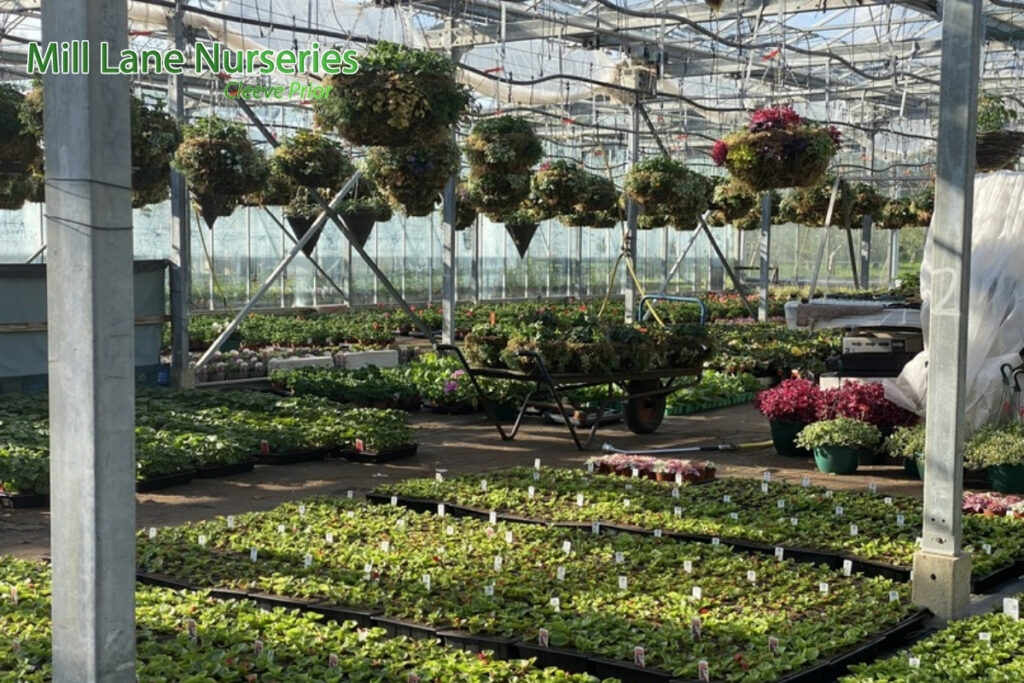
At the heart of this transformation lies the understanding that every garden can function as a living ecosystem. Deep-rooted perennials, pollinator-friendly flowers, and climate-adapted shrubs work together to create thriving habitats that require fewer resources while delivering greater environmental benefits. Many gardeners begin this journey by consulting a trusted plant nursery near Worcestershire, where local experts can recommend species suited to regional weather patterns and soil conditions. Choosing the right plants from the outset helps reduce water consumption, minimizes maintenance requirements, and ensures stronger long-term growth. As sustainability becomes a global priority, gardens are emerging as practical solutions that blend environmental stewardship with everyday living, creating outdoor spaces that are both beautiful and beneficial for future generations.
Building Resilience from the Ground Up: Healthy Soil, Stronger Ecosystems
The foundation of every successful sustainable garden lies beneath the surface. Healthy soil serves as a dynamic ecosystem filled with microorganisms, fungi, earthworms, and beneficial bacteria that work continuously to recycle nutrients and support plant growth. Research suggests that healthy soil can store significantly more carbon than degraded land, making regenerative gardening practices an important tool in climate mitigation efforts.
One of the most effective strategies involves cultivating plants with extensive root systems. These roots improve soil structure, enhance water infiltration, and reduce erosion during heavy rainfall events. They also create underground networks that encourage nutrient exchange between plants and microorganisms. Homeowners seeking guidance on selecting resilient plant varieties often visit a reputable plant nursery near Worcestershire to explore species that naturally thrive in local conditions.
Composting further strengthens soil health by converting kitchen scraps and garden waste into nutrient-rich organic matter. Instead of relying on synthetic fertilizers, sustainable gardeners return valuable nutrients to the earth through natural decomposition processes. Mulching provides additional benefits by regulating soil temperature, suppressing weeds, and conserving moisture. Together, these practices create self-sustaining systems that become increasingly productive over time. The result is a garden capable of withstanding drought, heavy rainfall, and fluctuating seasonal conditions while maintaining vibrant growth and ecological balance.
Smart Plant Selection and Water Conservation for a Changing Climate
Climate resilience begins with thoughtful plant selection. Across the world, gardeners are shifting away from resource-intensive ornamental species and embracing plants that are naturally adapted to local environmental conditions. Native and climate-compatible varieties typically require less irrigation, fewer fertilizers, and minimal pest management, making them ideal choices for sustainable landscapes.
This trend has led many residents to seek advice from a professional plant nursery near Worcestershire, where knowledgeable horticultural specialists can identify plants suited to specific soil types, sunlight levels, and microclimates. By selecting species that are already adapted to regional weather patterns, gardeners can dramatically reduce maintenance requirements while increasing biodiversity.
Water management represents another essential aspect of future-focused garden design. Reports indicate that water scarcity concerns continue to grow across many regions, emphasizing the need for efficient irrigation strategies. Rainwater harvesting systems, water butts, and underground storage tanks enable homeowners to capture rainfall for later use. Hydro-zoning, which groups plants according to their water needs, prevents waste and ensures optimal irrigation efficiency. Additionally, permeable surfaces and rain gardens help absorb stormwater runoff, reducing local flooding risks while replenishing groundwater supplies.
The growing popularity of sustainable landscaping has also increased demand for nurseries near Worcestershire for plants that specialize in native species and drought-tolerant varieties. These nurseries play a critical role in helping communities adapt to changing environmental conditions while maintaining attractive and functional outdoor spaces.
Growing Communities Through Sustainable Green Spaces
Sustainable gardening extends far beyond individual properties. Community gardens, educational green spaces, and collaborative urban farming initiatives are becoming powerful tools for strengthening social connections while promoting environmental awareness. Across the UK and many other parts of the world, local gardening projects have demonstrated measurable benefits, including improved mental health, increased access to fresh produce, and enhanced neighborhood engagement.
Many of these projects rely on partnerships with trusted nurseries near Worcestershire for plants, which provide locally adapted species and expert guidance. By sourcing plants locally, communities support regional businesses while reducing transportation emissions associated with long-distance plant distribution. These collaborative efforts also create valuable learning opportunities for children and adults alike, fostering greater understanding of ecological principles and sustainable living practices.
The future garden is not merely a collection of plants; it is a shared investment in environmental resilience and community well-being. As more people embrace sustainable gardening practices, demand for quality resources from nurseries near Worcestershire for plants continues to rise. These establishments serve as important knowledge hubs, helping gardeners make informed decisions that benefit both their landscapes and the broader ecosystem. Likewise, sourcing from nurseries near Worcestershire for plants enables gardeners to access varieties specifically suited to local conditions, ensuring long-term success.
Ultimately, sustainable gardens represent a lasting legacy. They provide habitat for wildlife, improve soil health, conserve water, and create spaces where people can reconnect with nature. By working with experts at a plant nursery near Worcestershire and investing in environmentally responsible practices, gardeners can cultivate landscapes that flourish for decades while contributing to a healthier planet for future generations.
Summary
Sustainable gardening is transforming outdoor spaces into resilient ecosystems that support biodiversity, conserve resources, and strengthen communities. By focusing on healthy soil, climate-adapted plants, efficient water management, and local collaboration, gardeners can create landscapes that thrive despite environmental challenges. Partnering with a trusted plant nursery near Worcestershire and sourcing from reliable nurseries near Worcestershire for plants helps ensure successful, environmentally responsible garden design. These practices not only enhance the beauty of outdoor spaces but also contribute to a greener, healthier future for generations to come.
FAQs
1. Why should I buy plants from a local plant nursery near Worcestershire?
Local nurseries offer plants adapted to regional conditions, improving survival rates and reducing maintenance requirements.
2. What are the easiest sustainable gardening practices to start with?
Composting, mulching, rainwater harvesting, and choosing native plants are among the simplest and most effective methods.
3. How do nurseries near Worcestershire for plants support sustainability?
They provide locally suited plant varieties, expert advice, and help reduce transportation-related environmental impacts.
4. Can sustainable gardens still look attractive?
Absolutely. Sustainable gardens combine ecological benefits with year-round beauty through thoughtful plant selection and natural design principles.
Author Bio: David is a professional writer working on the nurseries near Worcestershire for plants and so you will be getting all the information matters.