
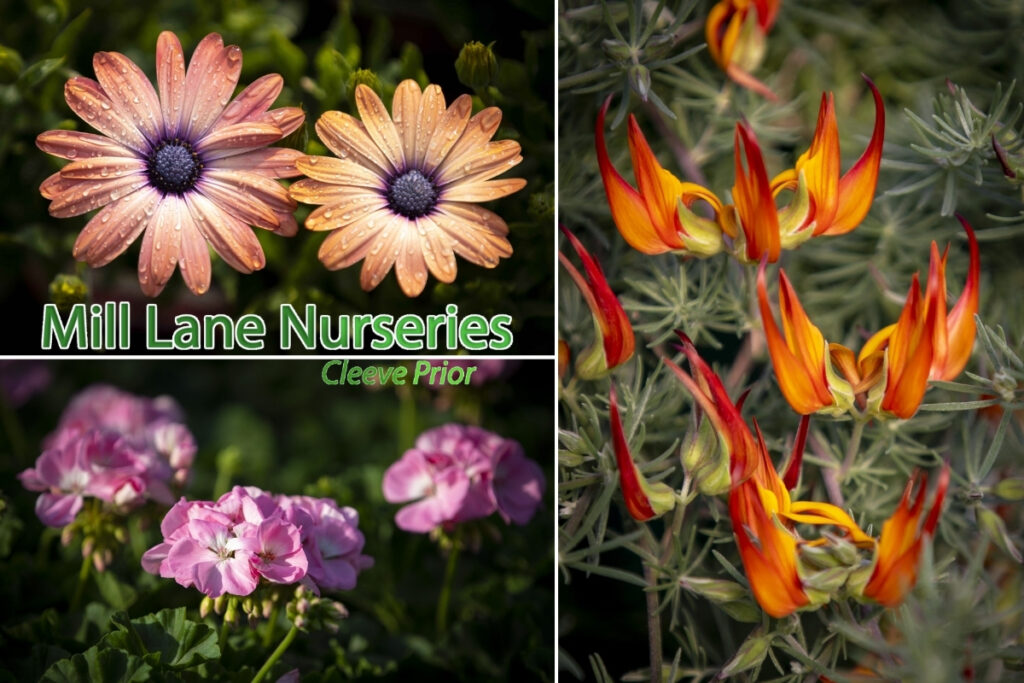
Climate change urban expansion and biodiversity loss have transformed gardening into an environmental responsibility rather than a simple hobby. Around the world governments businesses and homeowners are investing in landscapes that reduce pollution improve air quality and support wildlife. According to the United Nations more than half of the global population already lives in cities and this figure continues to grow. Green sanctuaries therefore play a vital role in improving human wellbeing while reducing environmental stress. Whether creating residential gardens community parks or commercial landscapes every carefully selected plant contributes to a healthier future. Many homeowners now search for a plant nursery near Worcestershire because they understand that locally adapted plants often perform better under changing climate conditions.
Sustainability Begins with Smarter Plant Choices
Sustainability starts long before the first tree enters the soil. Selecting native species drought tolerant shrubs and pollinator friendly flowers reduces water consumption while supporting local ecosystems. Research from the Royal Horticultural Society has consistently highlighted that diversified planting creates healthier gardens with fewer pest outbreaks. Many professional landscape designers now recommend visiting nurseries near Worcestershire for plants because experienced growers often stock varieties specifically suited to regional weather patterns. This reduces transplant failures and lowers maintenance costs over time. Choosing resilient species is becoming one of the most effective ways to future proof gardens against increasingly unpredictable weather.
Why the Green Industry Is Changing Rapidly
The horticulture sector has experienced remarkable transformation over the past decade. Smart irrigation systems drone assisted land surveys AI driven landscape planning and digital nursery management have reshaped how gardens are designed and maintained. Large companies including Microsoft have introduced sustainability initiatives aimed at reducing carbon emissions while technology firms increasingly support urban greening projects. These innovations demonstrate that environmental responsibility is no longer limited to conservation groups. Businesses across industries now recognise that healthier ecosystems also support stronger economies. Modern nurseries are embracing digital inventory management renewable energy solutions and environmentally responsible growing techniques to meet rising customer expectations.
Market Challenges That Cannot Be Ignored
Despite growing interest significant challenges continue to affect the nursery industry. Rising transportation costs labour shortages plant diseases and changing weather patterns place considerable pressure on growers. Supply chain disruptions experienced during the COVID nineteen pandemic also revealed vulnerabilities in horticultural production worldwide. Certain ornamental species became difficult to source while prices increased sharply across several European markets. Industry experts believe stronger local supply chains combined with regional production can reduce future risks. Supporting local growers strengthens community resilience while lowering transportation related emissions. These developments encourage buyers to prioritise trusted suppliers with proven quality standards.
Biodiversity Is Becoming the New Luxury
Luxury landscapes today are no longer measured solely by visual appeal. They are increasingly judged by their ecological value. Gardens filled with flowering plants native grasses and productive trees attract bees butterflies birds and beneficial insects that maintain balanced ecosystems. Environmental organisations continue encouraging property owners to replace excessive paving with living vegetation wherever practical. The result is healthier soil improved rainwater absorption and reduced urban heat. Choosing plants with biodiversity in mind creates outdoor environments that remain attractive throughout every season while supporting local wildlife populations for generations.
Lessons from Real Projects Around the World
Countries including the Netherlands Singapore and the United Kingdom have become global examples of sustainable urban greening. Singapore transformed limited land into impressive vertical gardens rooftop forests and interconnected green corridors that now influence city planners worldwide. Meanwhile London’s continuing investment in urban tree planting demonstrates how green infrastructure improves public health while reducing flood risks. Similar principles can easily be applied to residential properties regardless of size. Even modest gardens can contribute meaningfully when carefully planned with climate resilience and biodiversity as primary objectives.
Local Nurseries Drive Community Sustainability
Independent nurseries continue playing an essential role in environmental stewardship. Unlike mass distributors they often cultivate plants adapted to local soil conditions and regional climates. Visiting a plant nursery near Worcestershire allows customers to receive practical advice regarding planting seasons soil preparation irrigation requirements and long term maintenance. This personalised guidance significantly improves planting success while reducing unnecessary waste. Local growers also strengthen regional economies by creating employment supporting nearby suppliers and preserving horticultural knowledge that has developed over generations. Their expertise remains invaluable as climate conditions continue evolving.
Digital Innovation Meets Traditional Gardening
Artificial intelligence satellite weather forecasting and precision irrigation systems are changing landscape management. Garden designers increasingly analyse soil moisture temperature patterns and rainfall forecasts before recommending planting strategies. Technology companies continue investing heavily in environmental monitoring solutions because efficient resource management benefits both businesses and communities. However experienced horticulturists consistently remind clients that technology complements rather than replaces botanical expertise. Successful landscapes combine scientific analysis with practical growing experience resulting in gardens that remain productive attractive and environmentally responsible for decades.
Consumer Demand Is Reshaping Nursery Businesses
Modern customers expect far more than attractive flowers. They seek sustainability transparency ethical sourcing and environmentally friendly cultivation practices. Consequently many growers now reduce peat usage recycle irrigation water minimise chemical treatments and invest in renewable energy systems. Buyers frequently research nurseries near Worcestershire for plants because knowledgeable professionals can recommend varieties suited to changing weather conditions instead of simply selling fashionable species. This shift encourages long term customer satisfaction while supporting healthier landscapes that require fewer artificial inputs throughout their lifecycle.
Industry Leaders Continue Raising Environmental Standards
Several international organisations now publish sustainability frameworks encouraging responsible land management. Businesses across construction hospitality retail and commercial property sectors increasingly integrate green infrastructure into development plans. Landscape architects collaborate with ecologists to preserve existing habitats while creating attractive public spaces. Major environmental conferences continue highlighting that trees and vegetation remain among the most cost effective natural solutions for carbon capture temperature regulation and improved urban wellbeing. Such evidence reinforces why resilient green sanctuaries should become standard practice rather than optional enhancements.
Building Gardens That Will Thrive Tomorrow
Creating future ready landscapes requires thoughtful planning rather than temporary decoration. Soil health water conservation seasonal diversity and long term maintenance should influence every planting decision. Investing in resilient species today reduces replacement costs while supporting healthier ecosystems tomorrow. Educational institutions horticultural associations and environmental charities increasingly encourage communities to view gardens as living infrastructure rather than ornamental accessories. Every carefully planted tree shrub and flowering border contributes toward cleaner air healthier wildlife populations and more sustainable neighbourhoods. Small individual actions collectively produce significant environmental improvements across entire regions.
A Future Rooted in Responsibility
The future of sustainable gardening depends upon informed decisions consistent innovation and community participation. Environmental pressures will undoubtedly continue challenging growers homeowners and policymakers alike. However resilient landscapes provide practical solutions that benefit economies ecosystems and public wellbeing simultaneously. By supporting responsible growers embracing environmentally conscious planting methods and prioritising biodiversity everyone can contribute to meaningful environmental progress. The gardens created today will influence future generations far beyond their immediate beauty. Every resilient sanctuary represents a long term investment in healthier communities stronger ecosystems and a more sustainable planet.
FAQs
- Why are resilient gardens becoming more important?
They help conserve water support biodiversity and adapt better to changing climate conditions. - What plants are best for sustainable landscapes?
Native drought tolerant and pollinator friendly species usually provide the greatest environmental benefits. - Why should I buy from local nurseries?
Local nurseries often provide healthier plants suited to regional soil and weather conditions. - Can technology improve gardening?
Yes smart irrigation weather forecasting and soil monitoring improve efficiency while reducing resource waste. - How do green spaces benefit communities?
They improve air quality reduce heat increase biodiversity and enhance physical and mental wellbeing.