
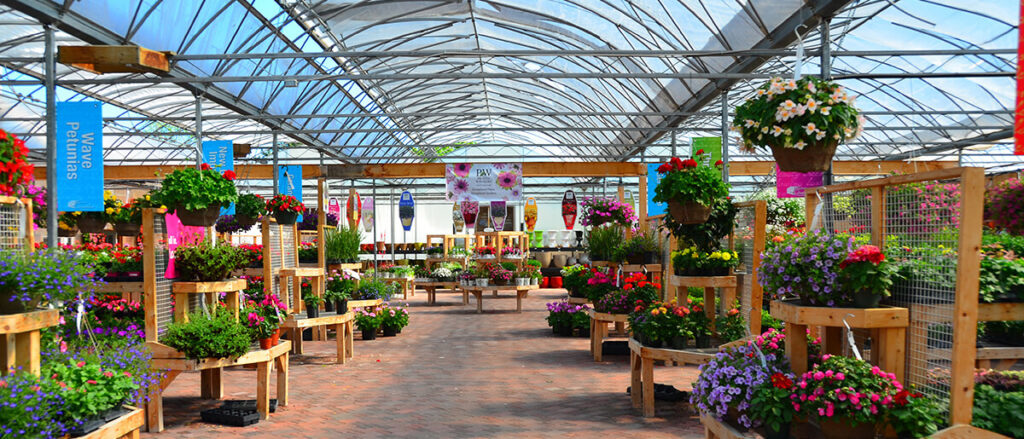
A thriving garden, bursting with vibrant life and colour, is a source of immense joy and tranquillity. For many horticultural enthusiasts, the ultimate goal is to cultivate a space that is not only beautiful but also resilient—a garden that weathers the seasons with grace and requires mindful, rather than intensive, intervention. This pursuit of a low-maintenance, high-reward garden begins long before a spade ever touches the soil; it starts with the careful selection of robust plants. These are specimens genetically predisposed to withstand local climate variations, common pests, and diseases. While a glasshouse can be a tremendous ally in this endeavor, providing a controlled environment for propagation and protecting tender species, the true foundation of a resilient garden is laid at the point of purchase. The journey to a reputable plant nursery near Worcestershire is therefore one of the most critical steps a gardener can take. By choosing healthy, vigorous plants from a knowledgeable source, you are making a long-term investment in the vitality and sustainability of your green space, ensuring it becomes a sanctuary of enduring beauty.
Locating Horticultural Excellence in Worcestershire
Embarking on a visit to a nursery is more than a simple shopping trip; it is an opportunity for discovery and learning. The quality of the nursery directly correlates with the future success of your plants, and a truly exceptional establishment reveals itself through several key indicators. Look for immaculate, well-organised surroundings, a diverse stock of plants that appear healthy and vigorous, and a tangible atmosphere of expertise among the staff. These establishments are not mere retailers but hubs of horticultural knowledge. Worcestershire, with its deep agricultural roots, is home to many such places. Many of the finest nurseries near Worcestershire for plants are independent, family-run businesses that have cultivated an intimate understanding of the region’s specific challenges, such as its often heavy clay soil. This localized expertise is invaluable; staff can guide you towards species that are not just generally robust, but specifically suited to thrive in your local conditions. When you find a quality plant nursery near Worcestershire, you gain more than just plants—you gain a partner in your gardening journey, a resource of wisdom built over generations. Observe how plants are cared for, the clarity of their labelling, and the willingness of the team to engage with your questions; these are the hallmarks of a nursery dedicated to excellence.
Reading the Leaves: A Guide to Visual Plant Health
The most immediate and accessible indicator of a plant’s condition is its foliage. Healthy leaves should possess a vibrant, appropriate colour for their species, feel firm, and be free of significant blemishes, spots, or tears. While some natural senescence, such as the yellowing or wilting of the lowest basal leaves, is normal as a plant grows, widespread discolouration or drooping can be a red flag for underlying problems like nutrient deficiencies, improper watering, or disease. One of the most telling signs of a plant’s vitality is its capacity for new growth. Actively look for fresh, unfurling leaves at the tips of stems or new shoots emerging from the base. This indicates a healthy, functioning metabolism and a positive growth trajectory. Beyond the leaves, assess the plant’s overall structure. Is it bushy and well-proportioned, or is it “leggy” with long, sparse stems? Leggy growth often suggests the plant was not receiving adequate light, which can lead to a weaker overall constitution. A compact, sturdy form signals a plant that has been grown in optimal conditions and is far more likely to adapt successfully to your garden. The diverse range of nurseries near Worcestershire for plants offers ample opportunities to compare specimens and select those that exhibit these clear signs of vigour.
Beyond the Foliage: Inspecting for Pests and Root Vitality
A truly robust plant is healthy from its leaves down to its roots, and a thorough inspection is crucial to avoid introducing problems into your garden ecosystem. Before making a purchase, become a plant detective. Carefully examine the upper and lower surfaces of leaves, paying close attention to the midrib and the points where leaves join the stem (axils). Look for common pests like aphids, the fine webbing of spider mites, whiteflies that flutter up when disturbed, or the tell-tale white, cottony masses of mealybugs. Don’t forget to inspect the soil surface for signs of fungus gnats or mould. A single pest might not be a deal-breaker if the nursery has a transparent integrated pest management program, but a heavy infestation is best avoided. The second part of this deep-dive inspection involves what lies beneath the surface. If possible, gently slide the plant from its pot to examine the root system. Healthy roots are typically firm, plentiful, and light in colour, ranging from white to tan. Avoid any plant with dark brown, soft, or mushy roots, as these are clear signs of root rot, a difficult condition to reverse. Similarly, if the roots are a dense, tightly wound mass circling the pot, the plant is “root-bound” and may struggle to establish itself once planted. Don’t hesitate to ask a staff member at your chosen plant nursery near Worcestershire for assistance; a good nursery will be happy to help you assess a plant’s root health. This meticulous level of inspection at the various nurseries near Worcestershire for plants is your best defence against future problems.
From Nursery to Nurtured: Ensuring a Successful Transition
The responsibility for a plant’s well-being fully transfers to you at the moment of purchase, and ensuring its successful transition from the nursery to your garden is the final, critical step in cultivating resilience. The journey home matters. Protect your new acquisitions from wind damage and extreme temperature fluctuations in your vehicle. Once home, resist the urge to plant them in their final position immediately. Instead, allow them a period of acclimatisation, or “hardening off.” Place them in a sheltered spot that mimics their final growing conditions for a few days to a week, allowing them to adjust gradually to the new environment’s specific light, temperature, and humidity levels. This simple process dramatically reduces transplant shock and helps the plant conserve energy for establishing its root system. This is also the time to follow through on any advice gleaned from the nursery experts regarding soil preparation, watering schedules, and initial feeding. By combining careful selection at the nursery with thoughtful care during the transition, you complete the cycle of cultivating resilience. This mindful approach ensures your robust, well-chosen plants not only survive but truly thrive, transforming your garden into the beautiful, enduring sanctuary you envisioned.