
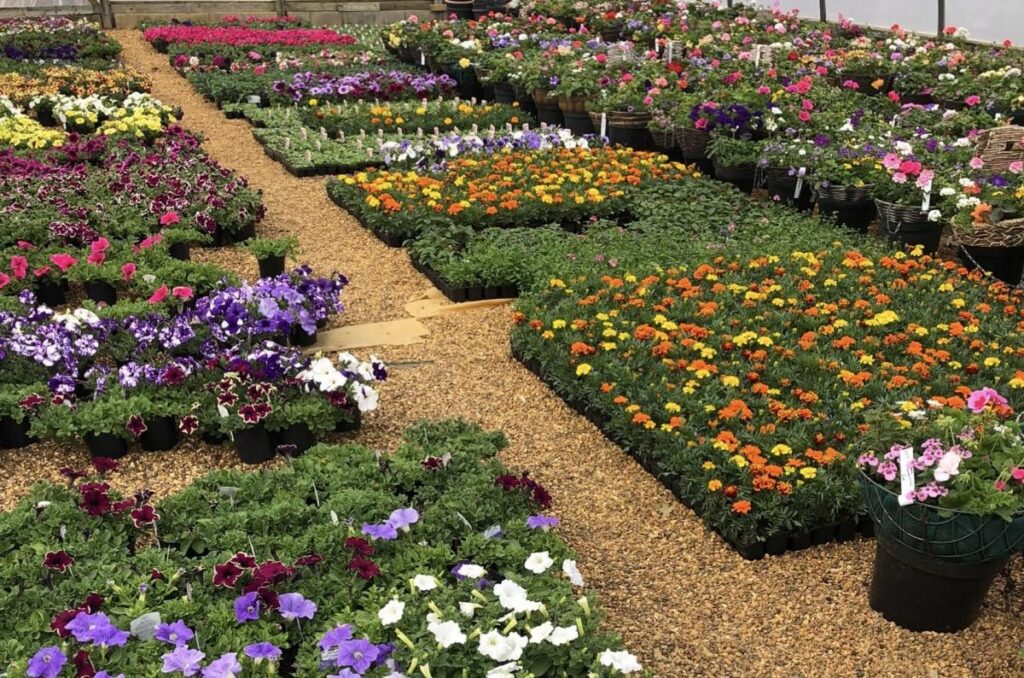
A truly enduring garden is not born from chance—it’s the outcome of deliberate choices and a deep respect for nature’s rhythms. In Worcestershire, where weather can swing from frosty mornings to heavy rain and unexpected dry spells, resilience is key. The cornerstone of lasting beauty lies in selecting strong, climate-suited plants from a trusted plant nursery near Worcestershire. These establishments are more than suppliers; they are hubs of horticultural wisdom, guiding gardeners toward varieties that can withstand seasonal extremes. Hardy perennials, robust shrubs, and evergreen species offer year-round vitality, ensuring that your garden remains an oasis of colour and life even during challenging periods. By planning with endurance in mind, every planting decision becomes an investment in the future.
Local Expertise: Tapping into Regional Knowledge
The advantage of working with nearby nurseries cannot be overstated. The teams at nurseries near Worcestershire for plants live and work in the same conditions that challenge local gardeners. They understand the subtle changes in soil structure, the quirks of microclimates, and the need for adaptable species. This familiarity means their advice is rooted in real-world experience—whether it’s recommending drought-tolerant herbs for sunny borders or moisture-loving perennials for clay-rich ground. By engaging with these local experts, gardeners gain tailored guidance that can’t be matched by generic advice from distant suppliers. Supporting nearby nurseries also strengthens community ties and reduces the environmental footprint of transporting plants over long distances, making your garden part of a larger network of sustainable living.
Recognising Quality: Spotting a Healthy Plant
Even with expert guidance, the final responsibility for selecting hardy specimens lies with the gardener. Healthy plants announce themselves with vibrant, evenly coloured leaves, firm stems, and signs of active growth. They should feel balanced—neither too spindly nor overcrowded. When visiting a plant nursery near Worcestershire, take the time to observe the foliage carefully. Avoid specimens with yellowing leaves, excessive blemishes, or weak stems, as these could signal underlying problems. Many nursery staff are eager to share tips on what to look for and may even walk you through common warning signs. Developing this skill ensures you bring home plants that are primed for success, reducing the chances of disappointment and wasted effort.
Going Beneath the Surface: Root and Pest Checks
True plant health doesn’t stop at the leaves. Roots and pest control are equally critical for resilience. Lift the plant from its pot if possible—healthy roots are pale, firm, and well-spread, showing no signs of rot or overcrowding. Black, mushy roots or tightly wound root balls suggest trouble ahead. Inspect the undersides of leaves for insects, webbing, or residue that may indicate pests like aphids or mealybugs. Reputable nurseries near Worcestershire for plants often encourage such inspections, demonstrating how to assess a plant’s hidden health before purchase. By practising this thorough evaluation, gardeners protect their investment and set the stage for a pest-resistant, thriving garden.
Easing the Transition: Acclimatising New Additions
Plants grown in the controlled conditions of a nursery need time to adapt before facing the full force of outdoor weather. A process known as “hardening off” allows them to gradually encounter real-world elements like wind, sunlight, and varying temperatures. Position new arrivals in a sheltered outdoor location for several days, adjusting their exposure over time. Complement this with care instructions provided by staff at a plant nursery near Worcestershire, which might include specific watering or soil preparation tips. This gentle transition enables plants to establish stronger root systems, making them more capable of enduring frost, drought, and heat. Careful acclimatisation transforms potential stress into a foundation for lasting growth.
Designing for Durability: Layering and Diversity
Resilience isn’t just about individual plants—it’s about the overall composition of the garden. Blending species with complementary needs and strengths creates a self-supporting ecosystem. Layering ground covers, mid-height shrubs, and taller trees helps protect delicate plants from wind, conserves soil moisture, and offers year-round interest. Selecting varieties with staggered flowering periods ensures constant colour, while evergreen species maintain structure in winter. Advice from nurseries near Worcestershire for plants can guide gardeners in achieving such balance, ensuring that each planting supports the other. This approach mirrors the diversity of natural landscapes, where variety fosters stability and beauty in equal measure.
The Sustainability Factor: Gardens That Give Back
A truly enduring garden contributes more than just visual appeal—it supports biodiversity and promotes environmental health. Resilient gardens attract pollinators like bees and butterflies, improve air quality, and create habitats for beneficial wildlife. Sourcing plants locally reduces transportation emissions, while choosing native or adapted species lessens water use and maintenance demands. Collaborating with a plant nursery near Worcestershire that prioritises eco-friendly practices strengthens this positive impact. Over time, such gardens become living legacies, embodying the principles of sustainability while offering joy and tranquillity to all who experience them.
A Legacy of Resilience: The Gardener’s Role
In the end, resilience is not simply a property of plants—it is a philosophy embraced by the gardener. Every step, from selecting quality specimens at local nurseries to inspecting roots and pests, to acclimatising them gently into their new home, contributes to a thriving landscape. By drawing on local knowledge, planning for endurance, and committing to sustainable practices, Worcestershire gardeners create spaces that withstand the test of time. These gardens are more than collections of plants; they are living testaments to patience, care, and foresight—rooted in the shared wisdom of communities and the unwavering beauty of nature.