
Roots of Strength with Crafting a Garden That Lasts: Planting with Purpose
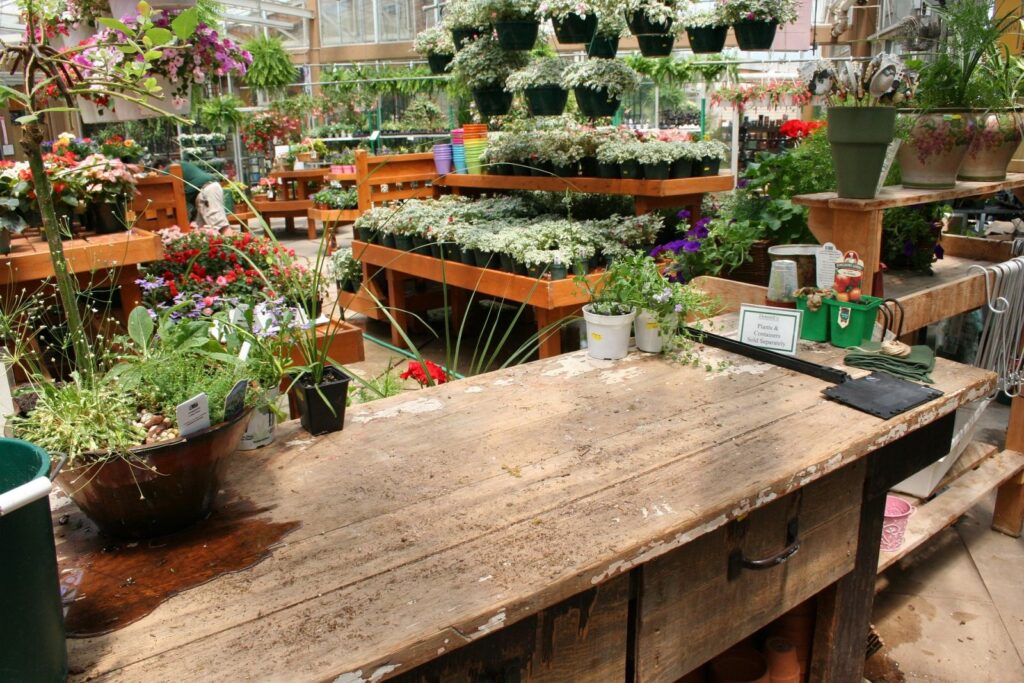
A truly enduring garden begins with thoughtful choices rooted in an understanding of local conditions. In Worcestershire, where weather patterns can be unpredictable, resilience is essential. The first step toward lasting beauty is selecting species adapted to the climate, preferably sourced from a reputable plant nursery near Worcestershire. Such nurseries offer more than plants—they provide valuable insight into which varieties will flourish through frost, rain, and summer heat. Hardy perennials, evergreen shrubs, and robust climbers form the backbone of a garden that maintains vitality year-round. By focusing on durability from the start, each planting decision becomes a long-term investment, ensuring that your outdoor space remains a thriving sanctuary in every season.
Local Expertise: Knowledge That Nurtures
The benefits of working with nurseries near Worcestershire for plants extend far beyond convenience. Local horticultural experts live and work under the same conditions as their customers, which means their guidance is backed by real-world experience. They understand subtle soil variations, microclimates, and the challenges posed by seasonal extremes. Recommendations from these specialists, whether for drought-tolerant herbs or moisture-loving perennials, are finely tuned to succeed in regional gardens. Sourcing plants locally also strengthens community connections and lowers the environmental impact of transportation. Through collaboration with nearby nurseries, gardeners gain tailored advice that helps them create resilient landscapes, ensuring every plant is chosen not just for beauty, but for long-term survival in Worcestershire’s unique environment.
Recognising Quality: Choosing the Best Specimens
Even with expert direction, the gardener must be able to spot healthy plants. When visiting a plant nursery near Worcestershire, look for vibrant foliage, sturdy stems, and signs of active growth. Avoid specimens with yellowing leaves, blemishes, or weak stems, as these may indicate poor health. A well-balanced form, free from overcrowding, suggests strong potential for success. Many nursery staff are eager to share tips on identifying quality plants, often pointing out common warning signs and explaining how to avoid them. By developing this skill, gardeners reduce the risk of introducing weak specimens into their garden, ensuring a higher chance of thriving plants. This careful selection process is a key step in building a garden that can withstand both pests and environmental stress.
Beneath the Surface: Roots and Pest Readiness
A plant’s true health lies beneath the soil. Healthy roots should be pale, firm, and well-distributed, with no signs of rot or excessive tangling. When possible, gently lift a plant from its pot to inspect this hidden structure. Additionally, check leaf undersides for pests or residues such as webbing, which may hint at infestations. Trusted nurseries near Worcestershire for plants often encourage customers to inspect specimens closely, guiding them in spotting potential problems before purchase. This thorough evaluation protects your investment and helps ensure a pest-resistant garden. By taking the time to examine plants below the surface, gardeners lay a foundation for resilience, supporting growth that endures through seasonal challenges.
Acclimatising New Arrivals: The Gentle Transition
Plants raised in the controlled environment of a nursery need time to adjust to outdoor conditions. Gradual exposure, known as “hardening off,” allows them to adapt to wind, sunlight, and fluctuating temperatures without undue stress. This process might involve placing new arrivals in a sheltered spot for several days before moving them to their permanent location. Staff at a plant nursery near Worcestershire can provide detailed instructions, including watering schedules and soil preparation tips. Such care ensures the development of strong root systems and increases the plant’s ability to withstand frost, drought, and summer heat. By easing this transition, gardeners turn potential shock into an opportunity for stronger, healthier growth.
Conclusion
Creating a garden that lasts is a blend of wise plant selection, local expertise, and attentive care. By working with nurseries near Worcestershire for plants, gardeners tap into a wealth of regional knowledge and secure species suited to the area’s climate. From recognising healthy specimens to inspecting roots and acclimatising new arrivals, each step contributes to a thriving, resilient landscape. The result is not only a visually stunning garden but a living testament to patience, skill, and respect for nature’s rhythms—an enduring space that rewards its caretaker season after season.