
The garden of the future is no longer a mere ornamental space; it is a living, breathing ecosystem, a vital sanctuary woven into the fabric of our environmental and social well-being. It represents a profound shift from consumption to conservation, from fleeting beauty to lasting legacy. This new paradigm champions designs that are not only visually stunning but are fundamentally regenerative, offering a haven for biodiversity, enhancing soil vitality, and fortifying our landscapes against the challenges of a changing climate.
The Unseen Engine: Building Resilient Foundations
The true marvel of a sustainable garden operates beneath the surface. A thriving ecosystem is built upon the principle of deep-rooted, perennial plantings. These botanical stalwarts are the unsung heroes, their extensive root systems acting as subterranean anchors that prevent soil erosion, enhance water absorption, and create a complex network for microbial life. This underground city fosters nutrient exchange and sequesters carbon, effectively turning your garden into a subtle yet powerful tool in climate mitigation. By prioritizing root depth over floral flair, we cultivate a landscape that is inherently stable, drought-resistant, and teeming with life, from beneficial fungi to essential insects.
The Right Plant, The Right Place: Curating for Climate and Habitat
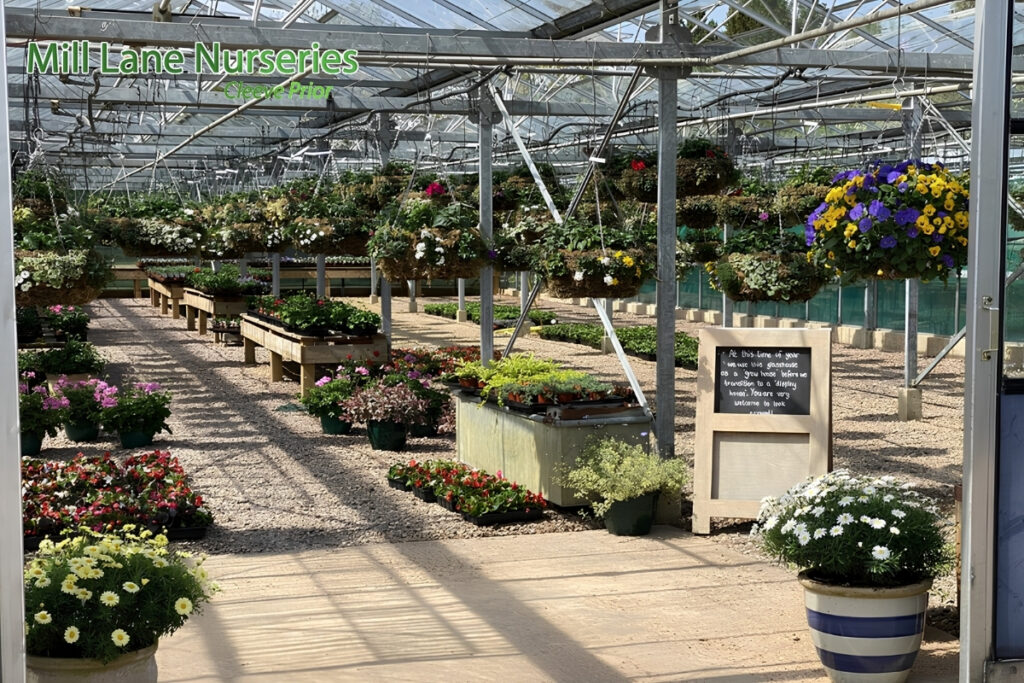
Mindful plant selection is the cornerstone of ecological design. The modern gardener is a curator, moving beyond high-maintenance exotic specimens to embrace native and climate-adapted species. These plants are evolutionary champions, pre-adapted to local conditions, requiring less water, and possessing natural resistances to regional pests. For those embarking on this journey, consulting the experts at a dedicated plant nursery near Warwickshire is invaluable. Their specialized knowledge can guide you toward species that will not just survive but flourish, while also providing crucial nectar, pollen, and habitat for beleaguered pollinators. This creates vital ‘green corridors’, supporting local wildlife and strengthening the area’s ecological fabric.
Beyond the Hose: Mastering the Sustainable Cycle
Sustainability is embodied in daily practice. Two of the most impactful acts are composting and water conservation. Transforming kitchen and garden waste into nutrient-rich compost through simple at-home systems eliminates the need for synthetic fertilizers, closing the waste loop and building superior soil health. Complementing this, water conservation strategies like rainwater harvesting—using barrels or more sophisticated cisterns—reduce reliance on treated mains water. Thoughtful garden design, such as grouping plants with similar hydrological needs (a practice known as hydro-zoning) and employing generous mulch layers to retain moisture, ensures every drop is used with maximum efficiency, creating a self-sustaining hydrological cycle.
The Community Canopy: Growing Together
The most resilient gardens are those that extend beyond a single property line. Community gardening initiatives transform underutilized urban spaces into productive, educational hubs that address food security, foster social connection, and share horticultural wisdom. Sourcing materials from local nurseries near Warwickshire for plants becomes an act of community investment, supporting the local economy and gaining access to hyper-local expertise. These spaces are classrooms without walls, vital for educating the next generation of environmental stewards. They demonstrate that the most profound growth often occurs not just in the soil, but in the spirit of collaboration and shared purpose among people.
A Legacy in Bloom: The Garden as an Enduring Gift
Designing a sustainable garden is an exercise in visionary patience. It is the antithesis of instant gratification, instead favouring a long-term vision that matures and improves with each passing season. Incorporating functional beauty through features like rain gardens—shallow depressions that capture and filter stormwater—directly contributes to solving larger municipal water management issues. A thoughtfully designed garden offers a dynamic spectacle year-round, from spring’s first bulbs to winter’s structural elegance. It is a living heirloom, a legacy of beauty, resilience, and ecological responsibility that we proudly bequeath to future generations.
Frequently Asked Questions (FAQs)
Q1: Why source from a local plant nursery near Warwickshire instead of a large garden center? Local nurseries offer plants acclimatized to the region’s specific conditions, ensuring better survival rates. Their staff possess invaluable regional expertise and purchasing locally supports the community economy and reduces the carbon footprint of plant transportation.
Q2: What is the simplest way to start making my garden sustainable? Begin with composting organic waste to create natural fertilizer and apply a thick layer of mulch to conserve water and suppress weeds. Installing a water butt to harvest rainwater is another highly effective and simple first step.
Q3: Can a garden be both sustainable and low-maintenance? Absolutely. By selecting the right native, deep-rooted plants that are adapted to your local environment, you inherently reduce the need for constant watering, fertilizing, and pest control. A well-designed sustainable garden ultimately takes care of itself.
Q4: How does sustainable gardening benefit local wildlife? It creates crucial habitats and food sources for pollinators like bees and butterflies, as well as birds and beneficial insects. This boosts local biodiversity and helps build resilient ecological networks, especially in urban areas.
Q5: What is a rain garden and what are its benefits? A rain garden is a strategically located, shallow depression planted with water-tolerant species. It captures stormwater runoff from roofs and driveways, allowing it to slowly infiltrate the soil, which reduces flooding, filters pollutants, and recharges groundwater.